Festival Builder Tycoon Booking Bands and DJs
Schedule live shows cleanly so lights, crowds, and ratings work with you.
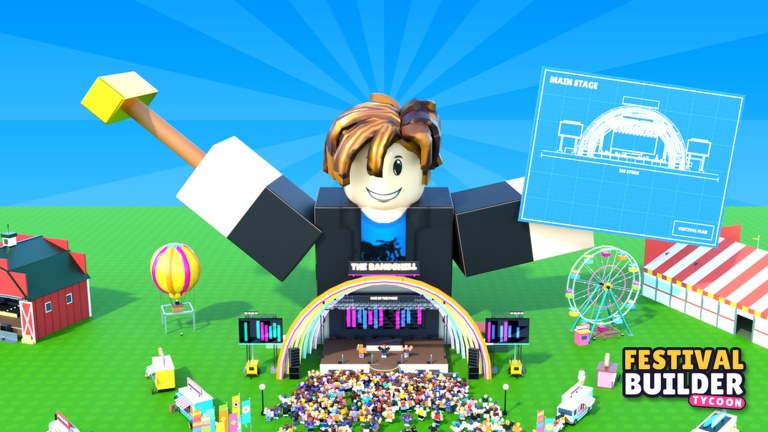
Booking is where Festival Builder Tycoon feels like a real festival producer sim. You choose bands and DJs, assign them to stages, and watch live shows with lights that react to the music — but only if the schedule makes sense. The most common failure mode players report is bands clashing when booked on overlapping stages. This guide teaches a clash-resistant booking habit, then shows how to scale to multi-stage lineups without starving your guests or your wallet.
If you still lack a stable stage and food spine, fix that in Festival Build and Getting Started first. A perfect headliner on a broken map still tanks happiness.
What booking is trying to do
Each booking should:
- Fill a stage with a clear start and end.
- Pull guests into a viewing area at the right time.
- Leave service capacity for the surge of hungry and thirsty fans.
- Avoid colliding with another nearby set.
- Feed into income so you can reinvest — see Earn Money.
Think in sets, not vanity names. Early acts exist to teach timing. Mid-tier acts raise energy once trucks keep up. Spotlight names belong on nights when paths, food, and water already survive a crowd spike.
The clash problem (and how to stop it)
When two bookings overlap on stages that share crowd flow or sit too close, acts can clash and the night falls apart. Treat overlapping times on connected stages as forbidden until you deeply understand spacing.
Practical rules that save beginners:
- One active stage until you can host a full night without panic.
- Hard buffers between sets on the same stage — tear-down and crowd reset time matters.
- No simultaneous starts on adjacent stages.
- Stagger secondary stages so one set ends before the other peaks.
- Read the calendar twice before confirming — most clashes are mis-clicks, not bad luck.
If you must run two stages, separate them in both space and time. Distance alone is not enough if both kick off together and every guest stampedes. Time alone is risky if stages share a narrow path. Combine both: far enough apart, and offset by a comfortable gap.
Bands vs DJs in your lineup
Use both types as tools. Bands often feel like peak spectacle for main-stage moments; DJs can fill shoulders of the night, keep energy between headliners, or suit secondary spaces. Alternate intensities so the crowd is not locked in a nonstop peak that empties every food truck at once. A calmer set after a huge surge gives concessions time to catch up and helps Guest Happiness recover.
Match act ambition to stage readiness. A small stage with weak lighting and no apron will not sell a massive booking. Upgrade the physical stage plaza — viewing room, lights, approach paths — before you pay for a name that expects a festival-ready pad.
Building a night schedule
Sketch the evening as blocks:
- Opener — affordable act, tests path flow and truck load.
- Mid card — stronger draw once you confirm food holds.
- Headliner — best act you can support without a clash.
- Closer or late DJ — optional wind-down if capacity remains.
Leave intentional empty slots. Empty time is not wasted; it is when guests eat, drink, and migrate. Packed calendars look impressive and create the exact overlaps that cause clashes.
Before the night starts, walk the grounds. Confirm trucks are stocked in the sense of placement and access, water is reachable, and no last-minute decor blocked a gate. Then start the first set and watch — do not AFK the opener. Early feedback tells you whether to cancel or delay later bookings.
Multi-stage programming
Multi-stage festivals are late-game toys. Unlock them when:
- One-stage nights are reliably strong.
- Food and water cover surges.
- You can keep schedules straight without notes panic.
- Paths connect stages without a single choke.
Program stages with roles: Main for headliners, Side for DJs or specialty sets, maybe a deep-field stage for overflow. Never clone the same start time across roles. Offset by enough minutes that audio-visual spectacle and crowd motion stay readable. Remember lights react to songs — overlapping spectacles fight for attention and for NPC pathing.
When something clashes anyway, stop and clear the conflict before forcing the rest of the grid. Pushing through a broken schedule multiplies losses. Fix the booking, let happiness stabilize, then continue.
Booking for money and for glory
Income cares about successful nights more than logo prestige. A cheaper clash-free card that keeps five-star potential alive beats an expensive double-book that empties your rating. Reinvest booking profits into capacity first, then into flashier acts, as outlined in Earn Money.
If you are chasing Festival of the Day, visitors judge the whole package: readable lineup energy, no chaos, and a grounds that looks intentional. A clean schedule is part of that polish. Theme the stages with Galaxy Theme accents once the timetable is trustworthy.
Checklist before you confirm any booking
- Stage has open viewing space and working approach paths.
- Food and water can absorb a showtime spike.
- No other nearby set overlaps this window.
- Buffer exists after the set for crowd reset.
- You can watch the first minutes to catch problems.
- Backup plan exists if happiness tanks mid-set (delay next act, open another truck, clear a path).
Practice drills
Run three practice nights on one stage with increasing act quality. Only then add a second stage with strictly staggered times. Visit friends’ festivals on co-op servers (max four players) to observe how their schedules feel in motion. Steal timing ideas, not just prop placement.
For input speed while editing lineups and stages, keep Controls handy. For the full guide map, return to the Guides Hub. Booking skill is a multiplier: once clashes disappear, every other system in Festival Builder Tycoon finally gets to shine.
Frequently Asked Questions
Quick answers to the most common Festival Builder Tycoon questions.
Why do my bands clash in Festival Builder Tycoon?
Overlapping bookings on nearby or connected stages cause clashes. Stagger times, add buffers, and avoid simultaneous starts until stages are far apart and well supported.
Should I book multiple stages on my first nights?
No. Master one stage with clean buffers first. Multi-stage cards are for after food, paths, and timing feel automatic.
Are DJs better than bands?
Neither is universally better. Use bands for peak main-stage moments and DJs to fill gaps or secondary spaces while giving concessions recovery time.
How do bookings affect five-star nights?
Clash-free sets with managed crowd surges protect happiness. Bad overlaps create hunger, thirst, and rating drops even if the acts are famous.
When should I book expensive headliners?
After your layout and service capacity survive a busy opener and mid card. Prestige acts amplify both success and failure.